

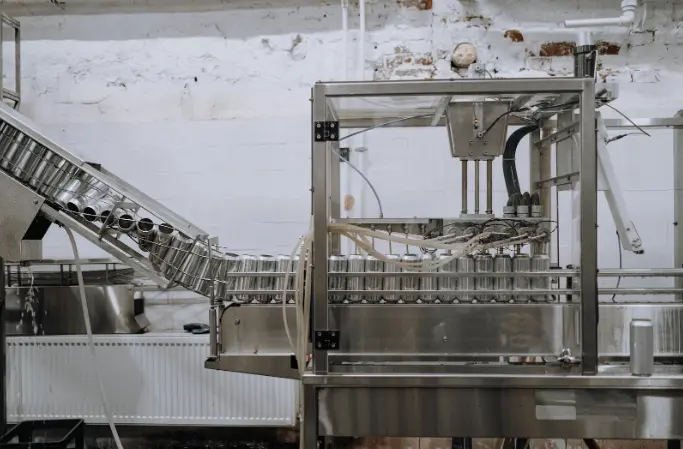
Production delays? They’re one of the most expensive headaches in modern manufacturing. We’re talking missed deadlines, budgets spiraling out of control, and relationships with clients taking a serious hit. Here’s the thing, while plenty of factors can throw a wrench in the works, many delays actually trace back to engineering oversights during the planning stages. Smart decisions made by engineering teams early on can dramatically cut down these disruptions, smooth out manufacturing processes, and keep projects running on time. Understanding how thoughtful engineering connects directly to efficient production opens the door to proactive strategies that keep operations humming.
Strategic Design for Manufacturability
Design for manufacturability isn’t just engineering jargon; it’s a game-changer for production timelines. When engineers think about manufacturing constraints right from the start, they create products that naturally flow through production faster and with fewer hiccups. This means carefully weighing material choices, considering how complex the geometry is, thinking through assembly needs, and evaluating tooling requirements before locking anything down. Getting production teams involved early creates opportunities to spot potential bottlenecks and tweak component designs before problems emerge. Products conceived with manufacturing realities in mind typically sail through production with fewer do-overs, less head-scratching on the floor, and minimal last-minute adjustments. This forward-thinking approach sidesteps those wallet-draining delays that happen when manufacturing issues only surface once production’s already rolling, at which point fixes become exponentially messier and more expensive.
Material Selection and Supply Chain Considerations
The materials engineers choose? They have massive ripple effects on production schedules. It’s not enough to just focus on technical specs and performance requirements anymore. Engineers must look at availability, lead times, and whether suppliers can deliver reliably. Opting for materials with shaky availability or depending on a single supplier creates unnecessary vulnerability, one hiccup and everything grinds to a halt. Smart engineering means identifying backup materials that still meet specifications while offering more dependable supply chains and quicker delivery windows. Processing requirements matter too, since certain materials need specialized equipment or extended curing periods that can choke production flow. Through comprehensive material analysis and maintaining relationships with multiple suppliers, engineering teams build flexibility into their material strategies. That way, when supply chain disruptions inevitably hit, production keeps moving forward.
Prototyping and Testing Protocols
Rigorous prototyping and testing protocols act as insurance policies against production delays triggered by design flaws or performance failures. Engineers who dedicate time to thorough prototype development catch and fix problems before launching full-scale production, saving mountains of time and resources down the line. Modern prototyping techniques, rapid prototyping, computer simulations, and the like, let teams validate designs quickly and iterate without burning through budgets. But testing shouldn’t stop at product functionality. It needs to examine manufacturing feasibility too, looking at how smoothly prototypes transition to large-scale production. For professionals who need to validate designs before committing to massive production runs, reliable low volume injection molding services enable cost-effective testing of manufacturing processes and part performance without breaking the bank. Smart engineering teams set clear testing benchmarks, document everything meticulously, and let data drive design improvements. This disciplined approach prevents those nightmare scenarios where products fail quality checks mid-production, forcing emergency redesigns and expensive shutdowns.
Tooling Optimization and Production Planning
How engineers approach tooling design and production planning directly shapes manufacturing efficiency and whether projects stay on schedule. Engineers who make tooling optimization a priority develop manufacturing solutions that boost production speed without sacrificing quality. We’re talking about designing molds, jigs, fixtures, and other tooling that cuts cycle times, minimizes changeover hassles, and accommodates future product tweaks. Forward-thinking engineering teams also factor in maintenance requirements, designing tooling that’s straightforward to service and prevents unplanned downtime.
Cross-Functional Communication and Documentation
Here’s something that doesn’t get enough attention: how well engineering teams communicate with other departments can make or break production timelines. Engineers must document design specifications, manufacturing requirements, quality standards, and assembly instructions in formats that production personnel can use without constantly asking for clarification. Vague documentation breeds interpretation errors, manufacturing mistakes, and time-sucking back-and-forth that disrupts production rhythm. Organizations that get this right establish standardized communication protocols and documentation systems, ensuring information flows smoothly throughout production.
Conclusion
Smart engineering decisions form the bedrock of efficient production and reliable timelines. By embracing design for manufacturability, making informed material choices, conducting thorough prototyping, optimizing tooling strategies, and maintaining clear communication channels, engineering teams can slash production delays significantly. These proactive approaches transform potential manufacturing nightmares into manageable considerations addressed during design rather than expensive emergencies during production. Organizations that empower their engineering teams to think ahead and make thoughtful decisions consistently outperform competitors in meeting deadlines, controlling costs, and delivering quality products. The bottom line? Investing in smart engineering practices delivers substantial returns through smoother operations, happier customers, and stronger competitive positioning in today’s demanding manufacturing landscape.











Leave a comment